
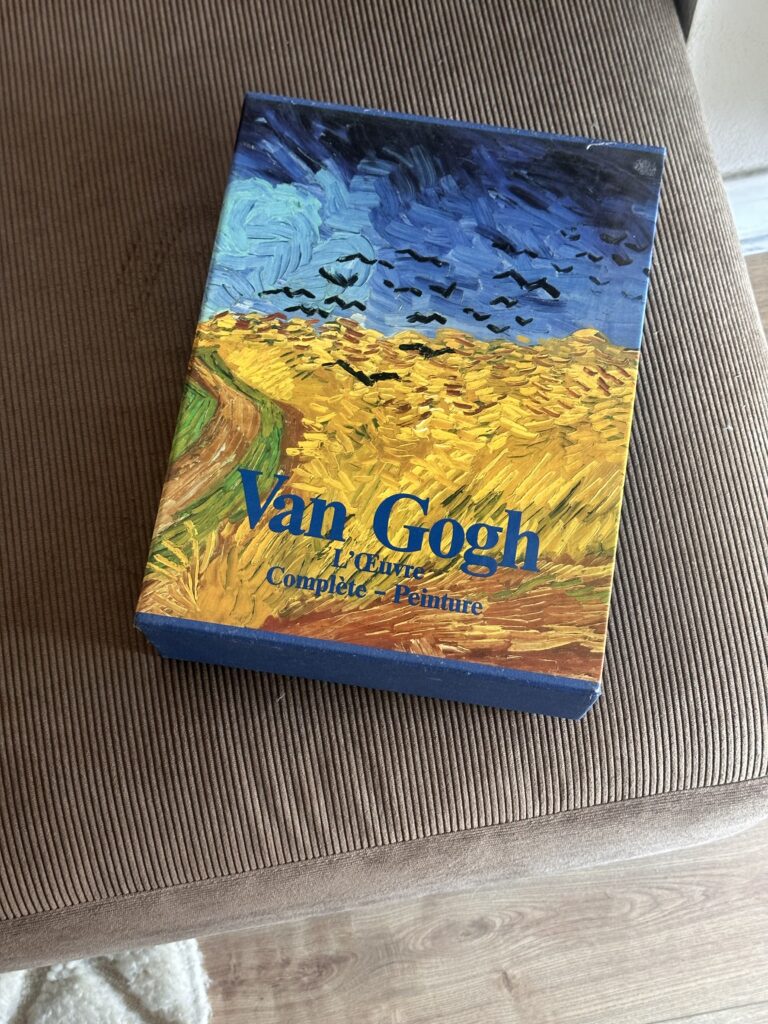
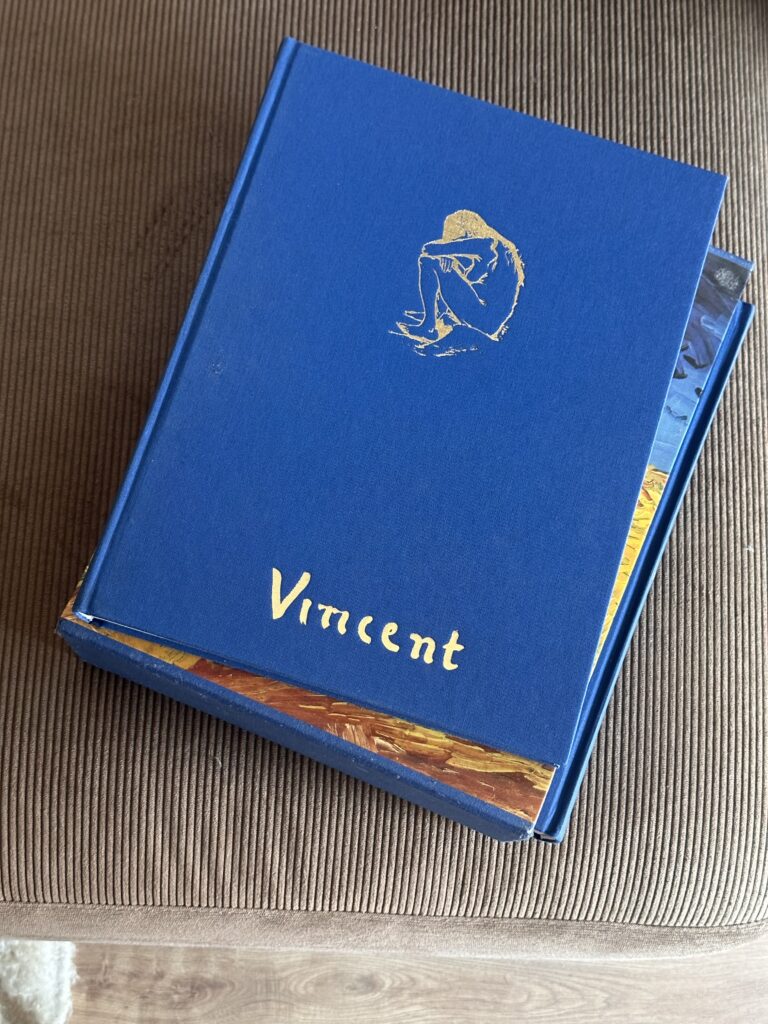
A couple of days ago, I was reading a two-volume book that my husband bought for me about Vincent van Gogh’s complete artistic journey (especially painting), and I noticed something very catchy: the use of repetitive subjects. And you may wonder, how does this relate to creative people leaving or disconnecting from the internet? If you’re interested in knowing more, keep on reading.
The importance of inspiration and visual nutrition
Let’s start at the bottom of the pyramid. As a creative, there isn’t a book, article, or social media post I come across that doesn’t cite the importance of finding inspiration or visual nutrition to the creative process. In the book Mastery by Robert Greene, the author gives us the following equation:
Σ Input + process of creation = Mastery
And up until today, I have agreed with this concept because, from my own experience, it is almost fully true.
But let’s take a step back and look at a creative who didn’t live in the age of the internet and didn’t have access to the amount of visual nutrition we have.
Vincent van Gogh and the raw process of creation
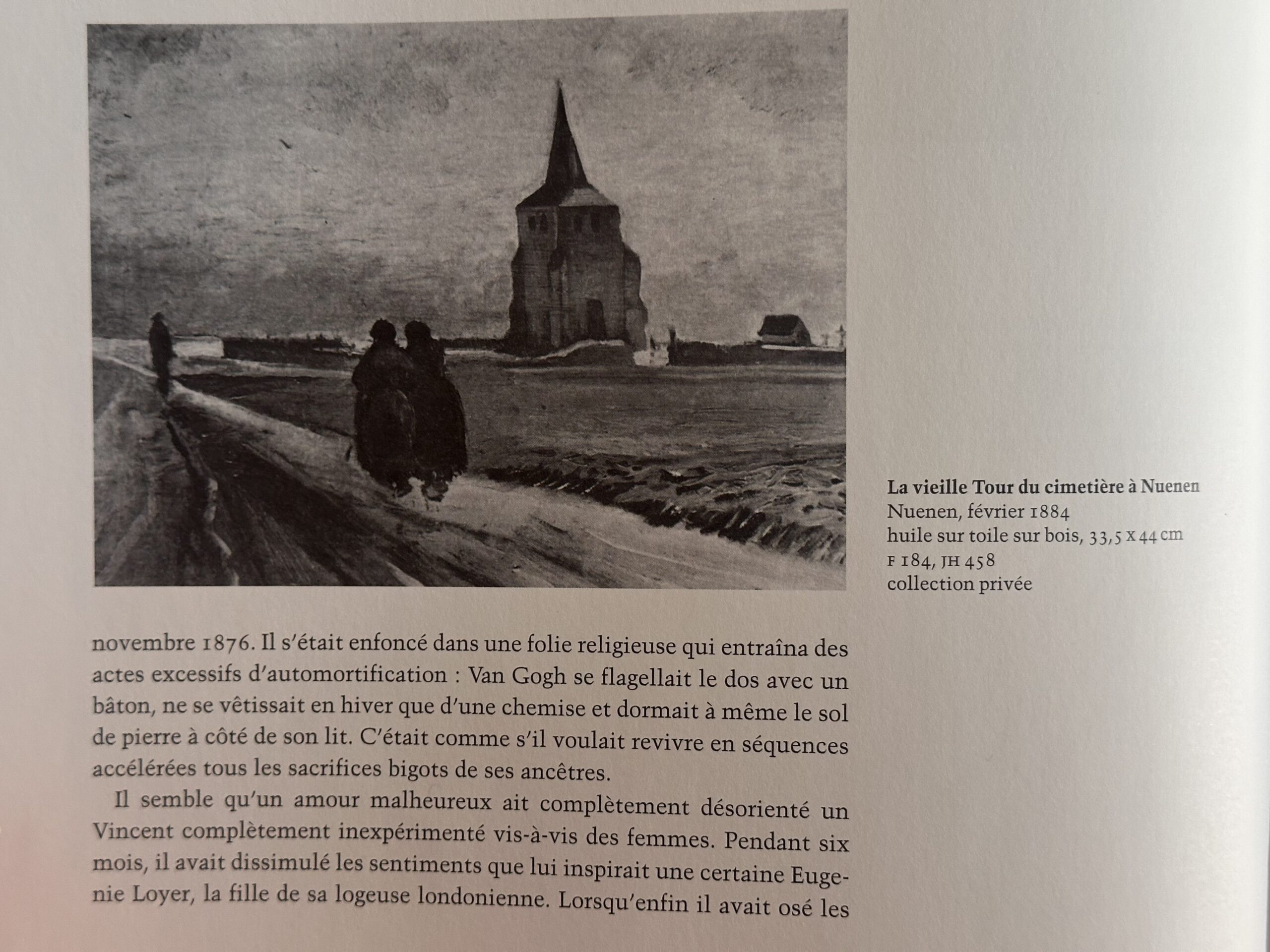
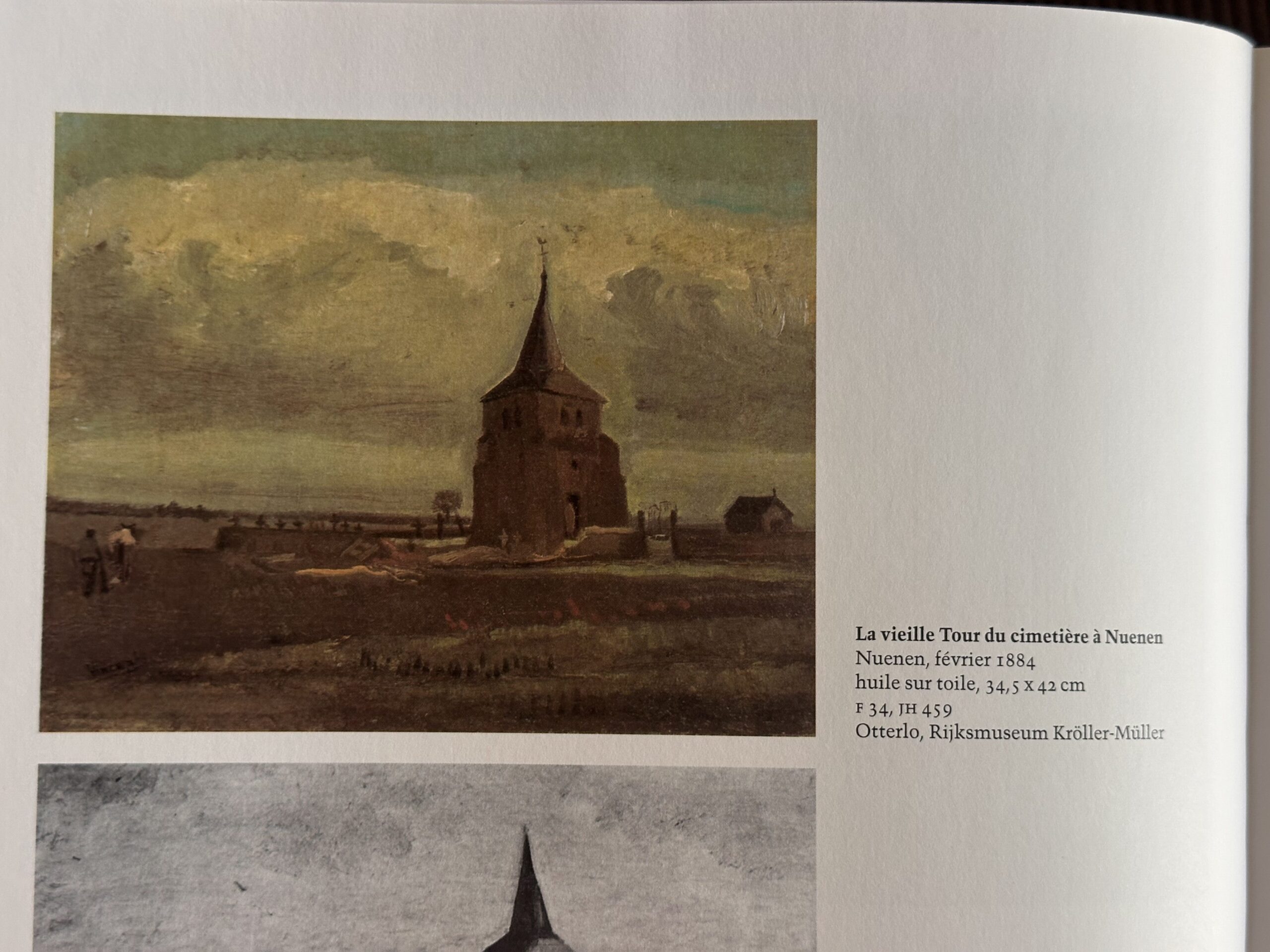
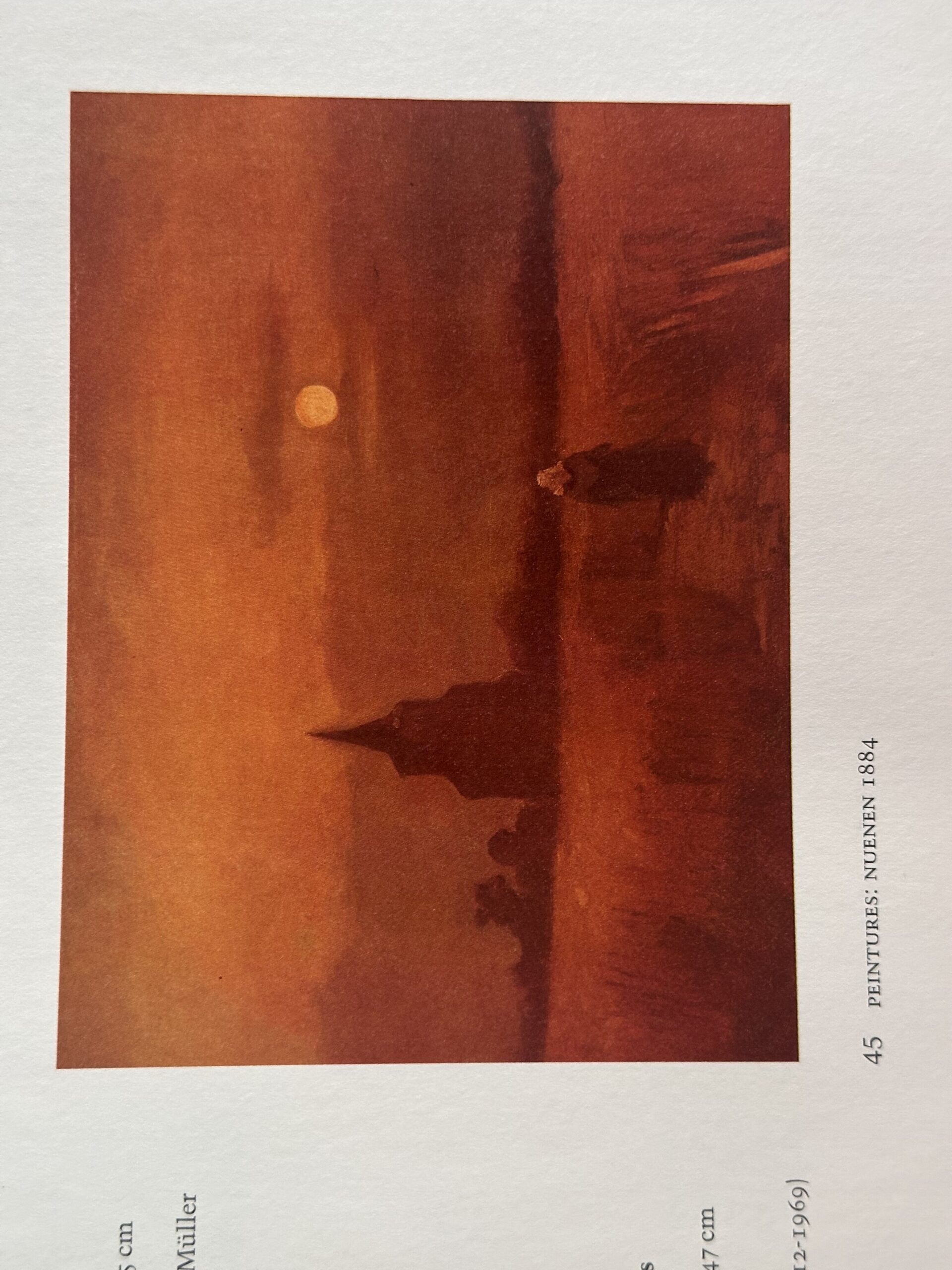
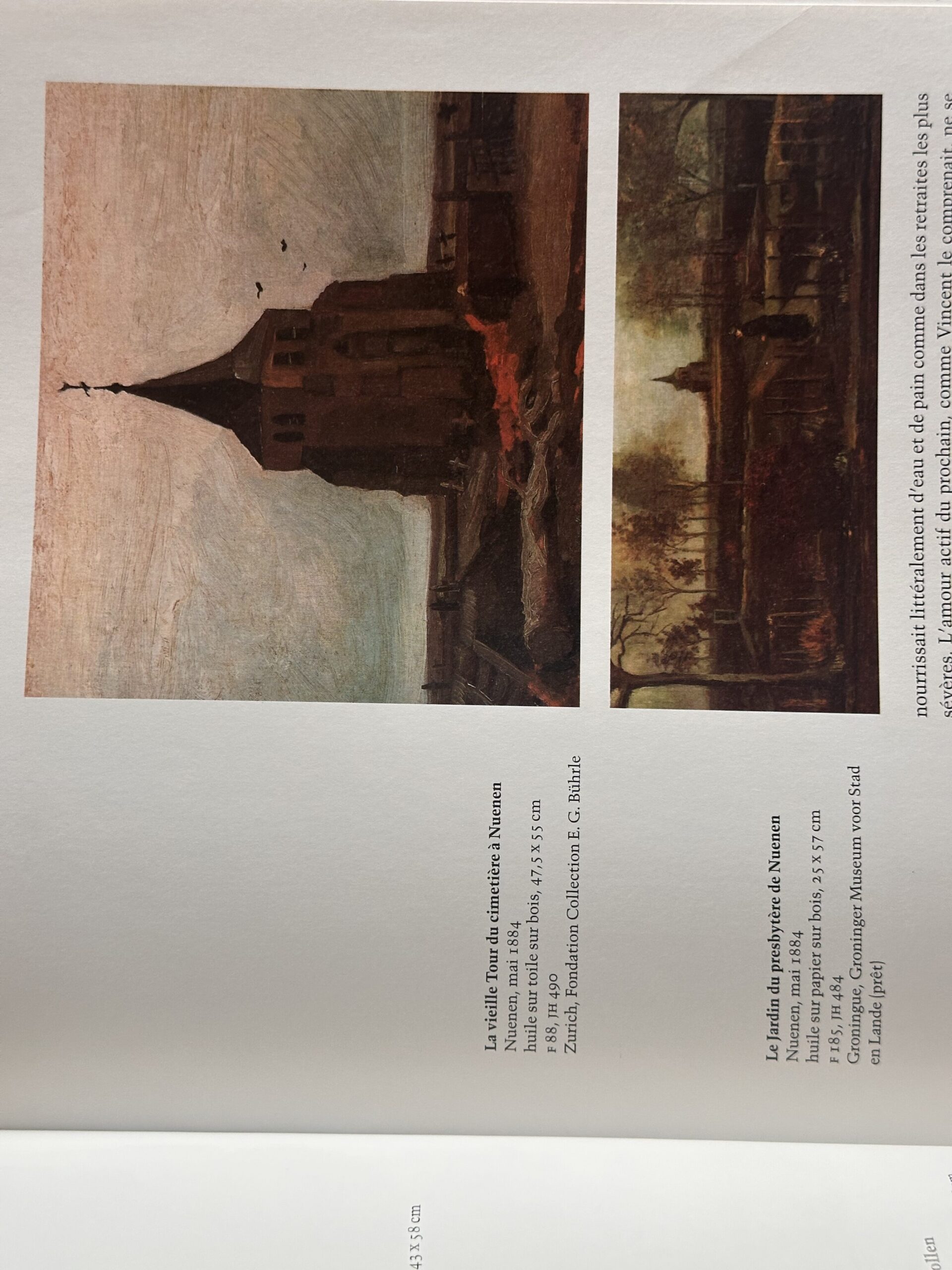
Let’s take a look at the subjects that Van Gogh studied at the beginning of his journey:
Van Gogh didn’t have Pinterest. All he had was the same town with the same elements, and because he loved painting and recreating what he saw around, he painted the same old church tower at Nuenen over and over again. At dawn, at sunset, in value study, from different perspectives, etc.
Very minimal visual nutrition, and most importantly, no comparison to what others are painting in the rest of the world.
Why are creative people slowly disconnecting from the internet? Prioritising practice
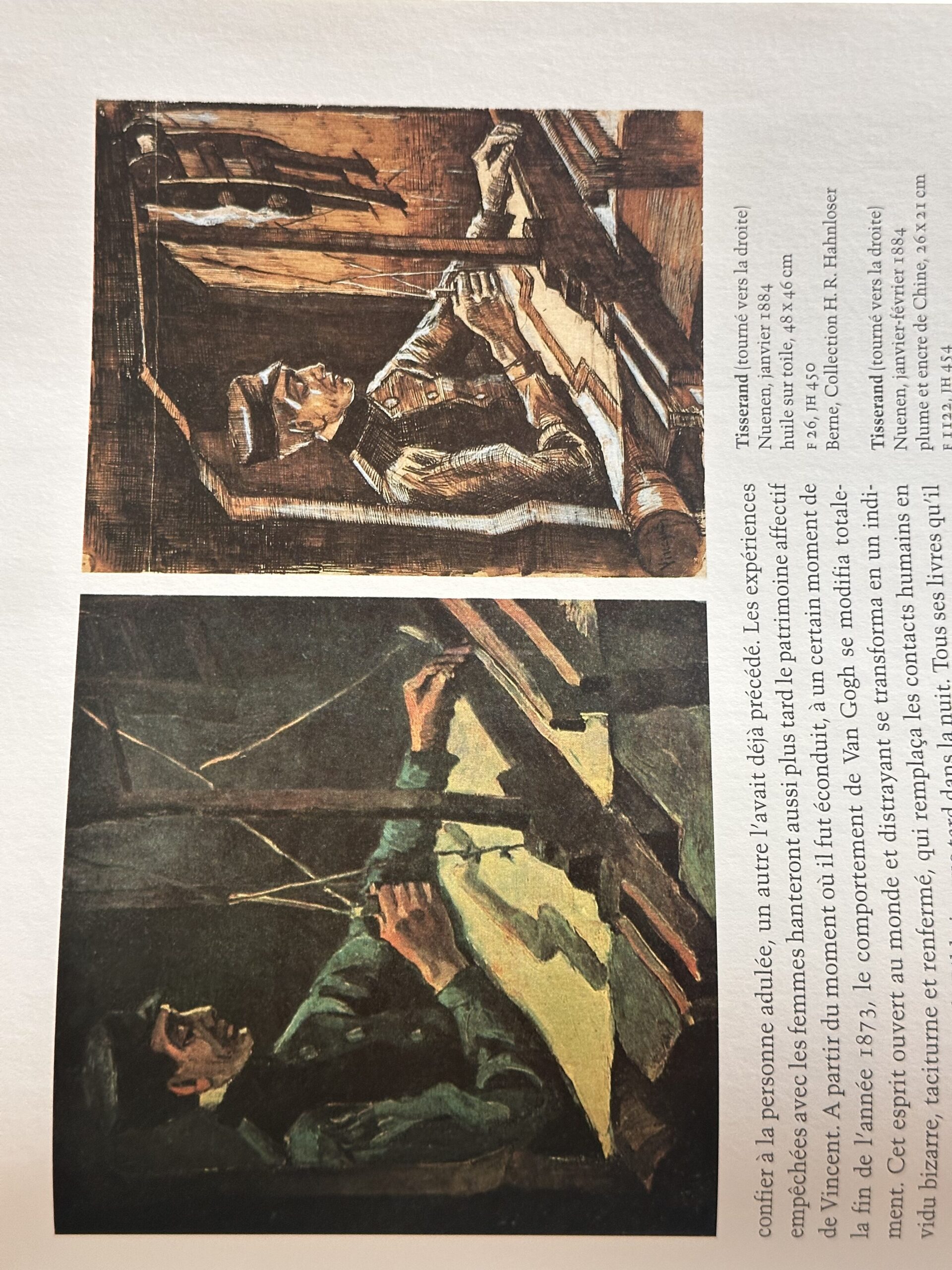
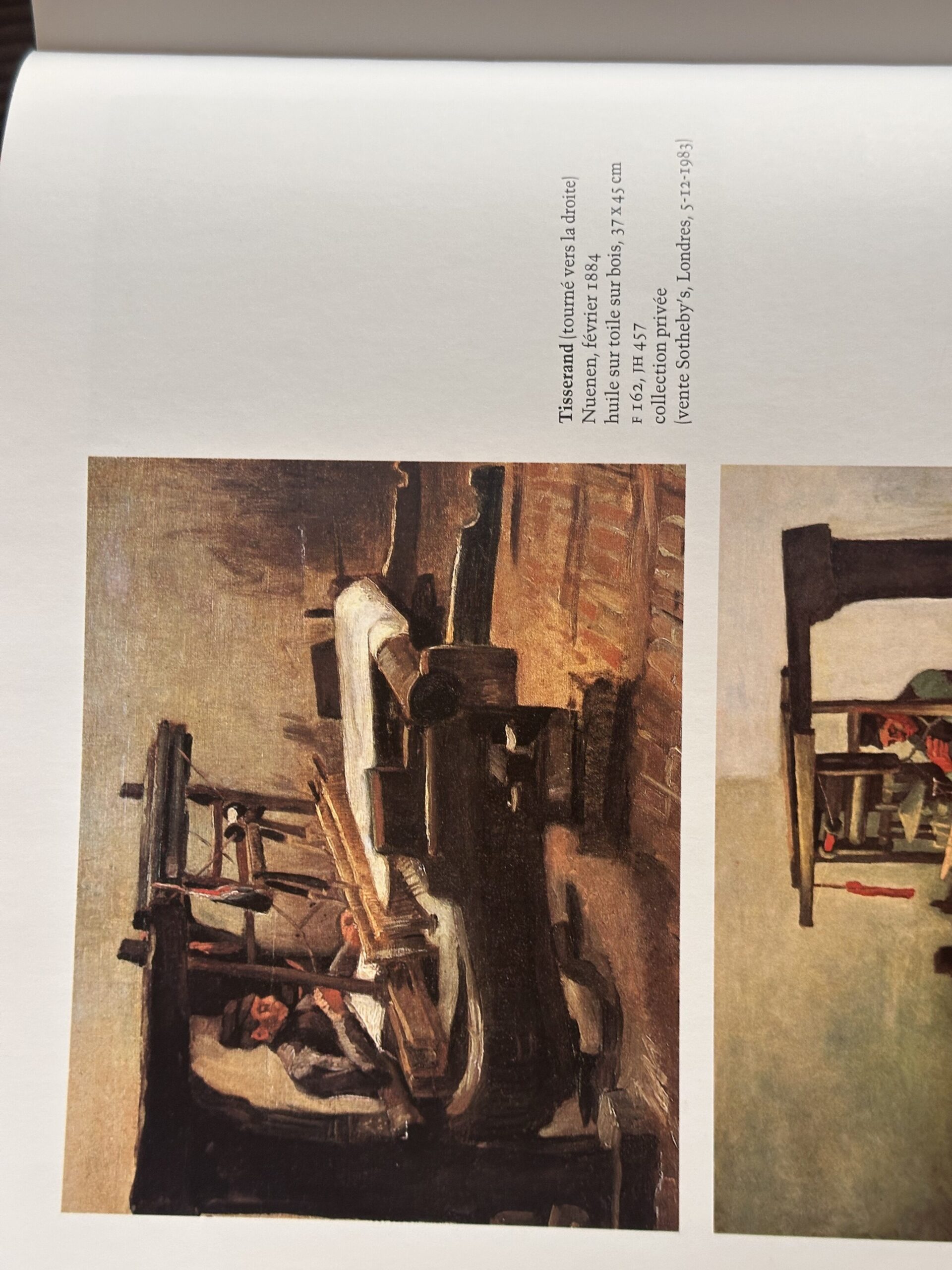
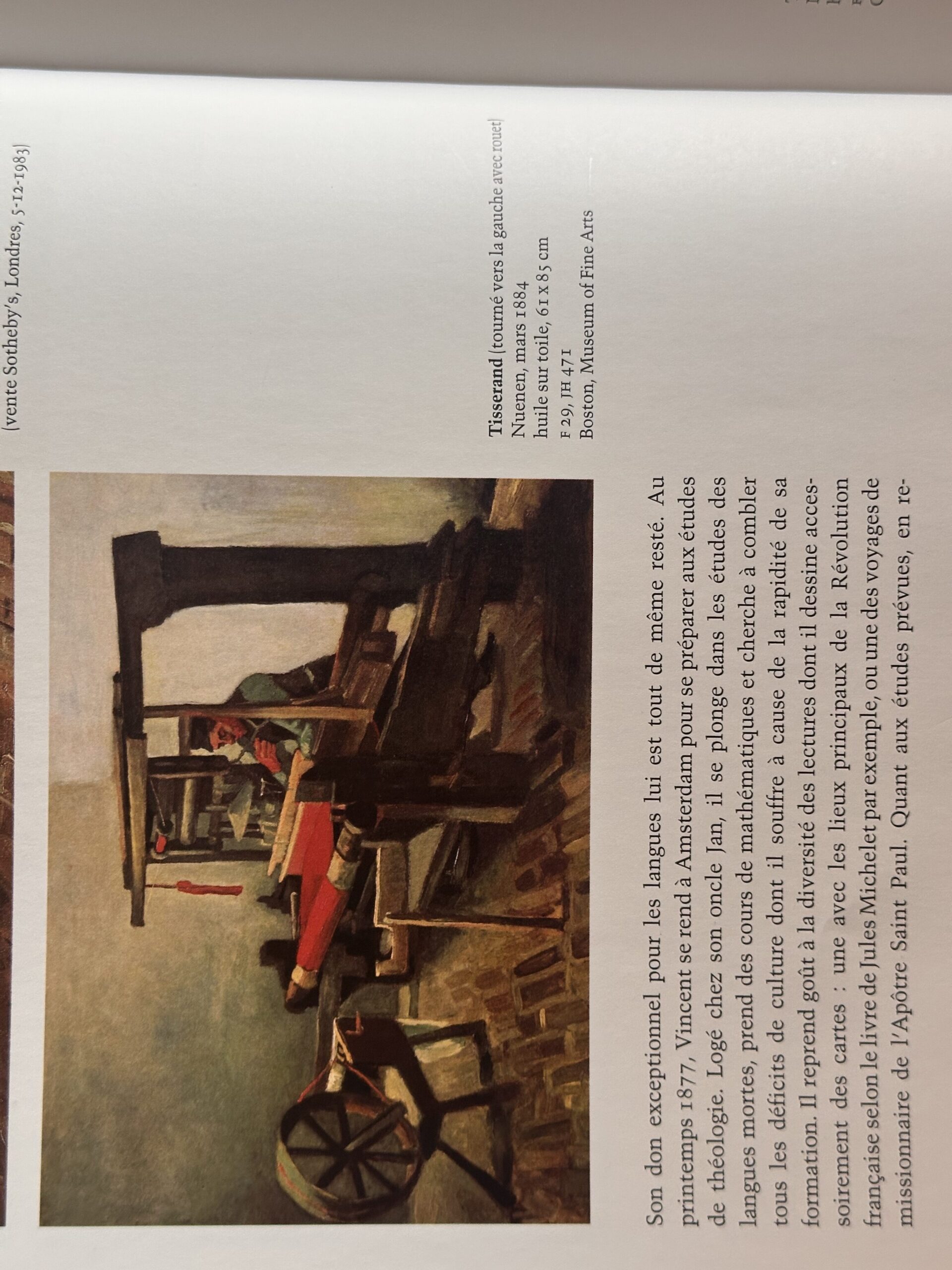
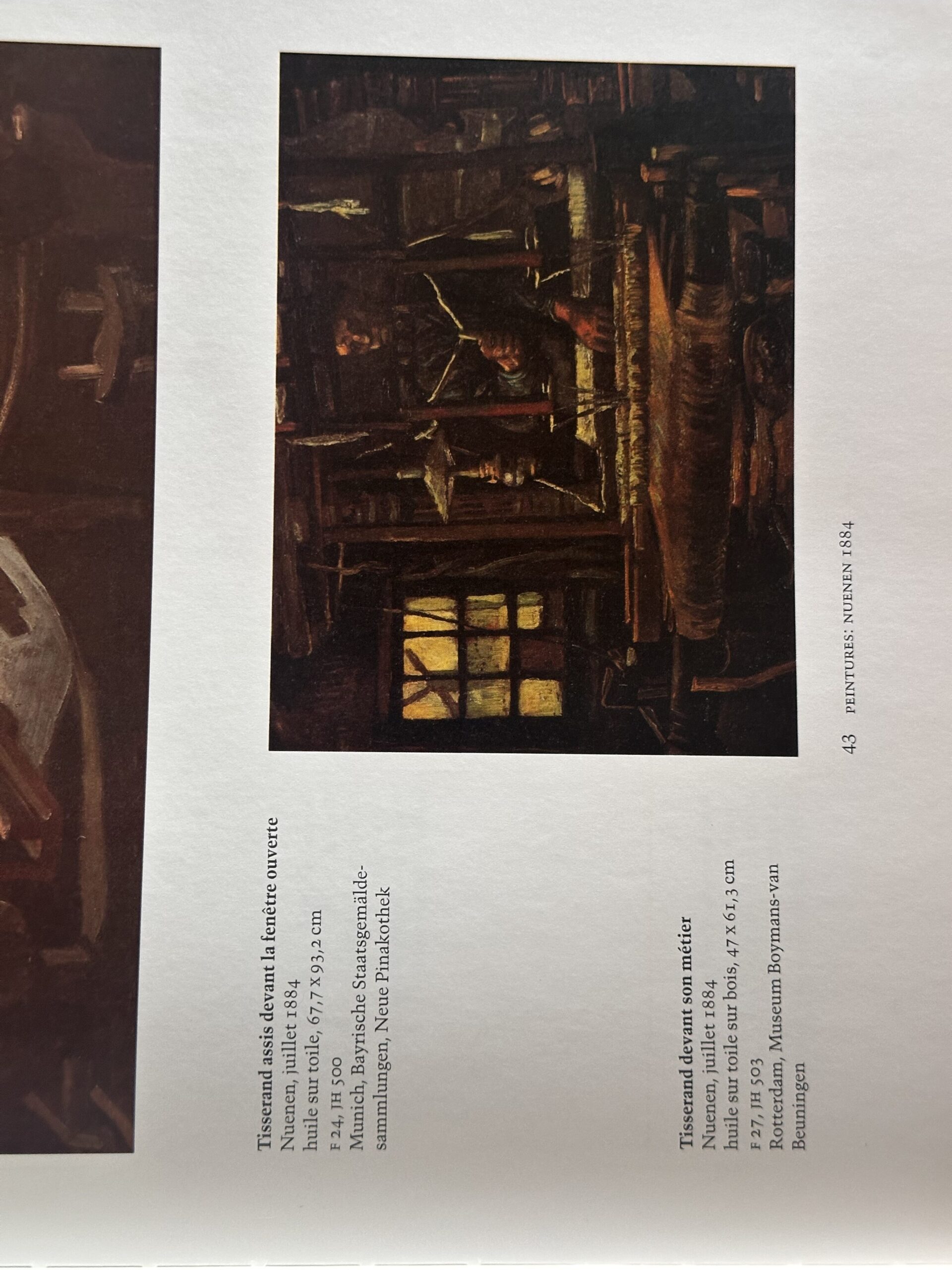
When Van Gogh wanted to sharpen his skills in painting motion and humans in action, he moved his easel to paint the weaver.
Tens of paintings depicting the same scene. A weaver weaving fabric. He made countless studies of the same subject. Underpaintings, full oil paintings, sketches, studies of light and shadow, and studies of value.


Fear of recreating
If Van Gogh were sharing his art on Instagram today, his only follower would be his brother Theo or maybe a bot account preaching crypto. Because nobody wants to see 50 shades of the same old church tower at Nuenen, and definitely nobody wants to see a weaver doing his job over and over again.
Our art scene today rewards shock value and intense emotions (fear, ecstasy, dopamine hits, etc.), and when the internet started, we didn’t know it would come to strip us of the bliss of a normal human attention span. In fact, even today, we don’t feel the damage happening while it is happening. The system is designed to make us feel normal. To feel rewarded, even to the point where making art and working on a creative project are far less exciting than watching someone else do it all in one TikTok.
So, why are creative people slowly disconnecting from the internet?
Creative people started using the internet to feed the delusion of needing inspiration, chasing ideas that spark interest, and wanting to share their art with those who care. It slowly all turned into one big ball of competition about who gets the most views/followers, who creates the dumbest “art” and makes the most cash, and who is the most aesthetically appealing person who deserves fame beyond what they create.
The noise simply became impossible to ignore.
And so choosing to prioritize our own mental health and wanting to create for the sole purpose of loving to create and honoring a skill given by the creator himself is borderline the normal thing to do.
You think that being offline will make you less informed, but being online makes you wrongly informed about things you don’t even actually care about, and that’s why creative people are slowly disconnecting from the internet.
Enjoy creating <3
